Plants of Sanibel
The shells of Sanibel get a lot of attention – and for good reason – but there is another natural wonder that we want to highlight: the PLANTS! Even better, all of these varieties are easy to spot across the island.
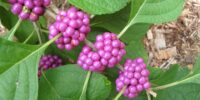
American Beautyberry
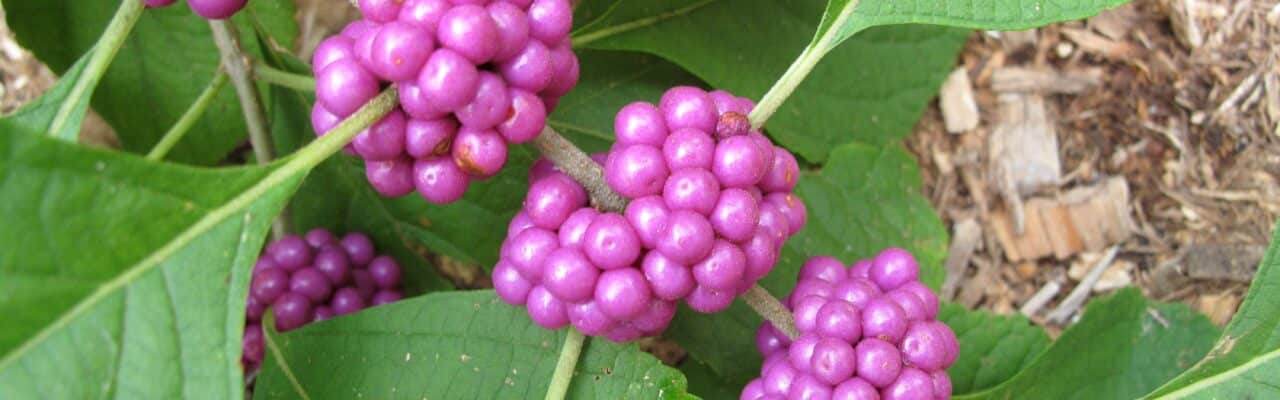
Pictured in Header
Easily identified by its bright purple berry clusters, the American beautyberry is more than just a pretty face. Early settlers of the islands found that the plant’s leaves could help repel mosquitoes and flies when crushed and rubbed on the skin. Scientific studies later showed that they contain chemical compounds that are as effective as commercial products for keeping the perky bugs at bay. When they bloom, each of those purple berries becomes a tiny pinkish purple flower.
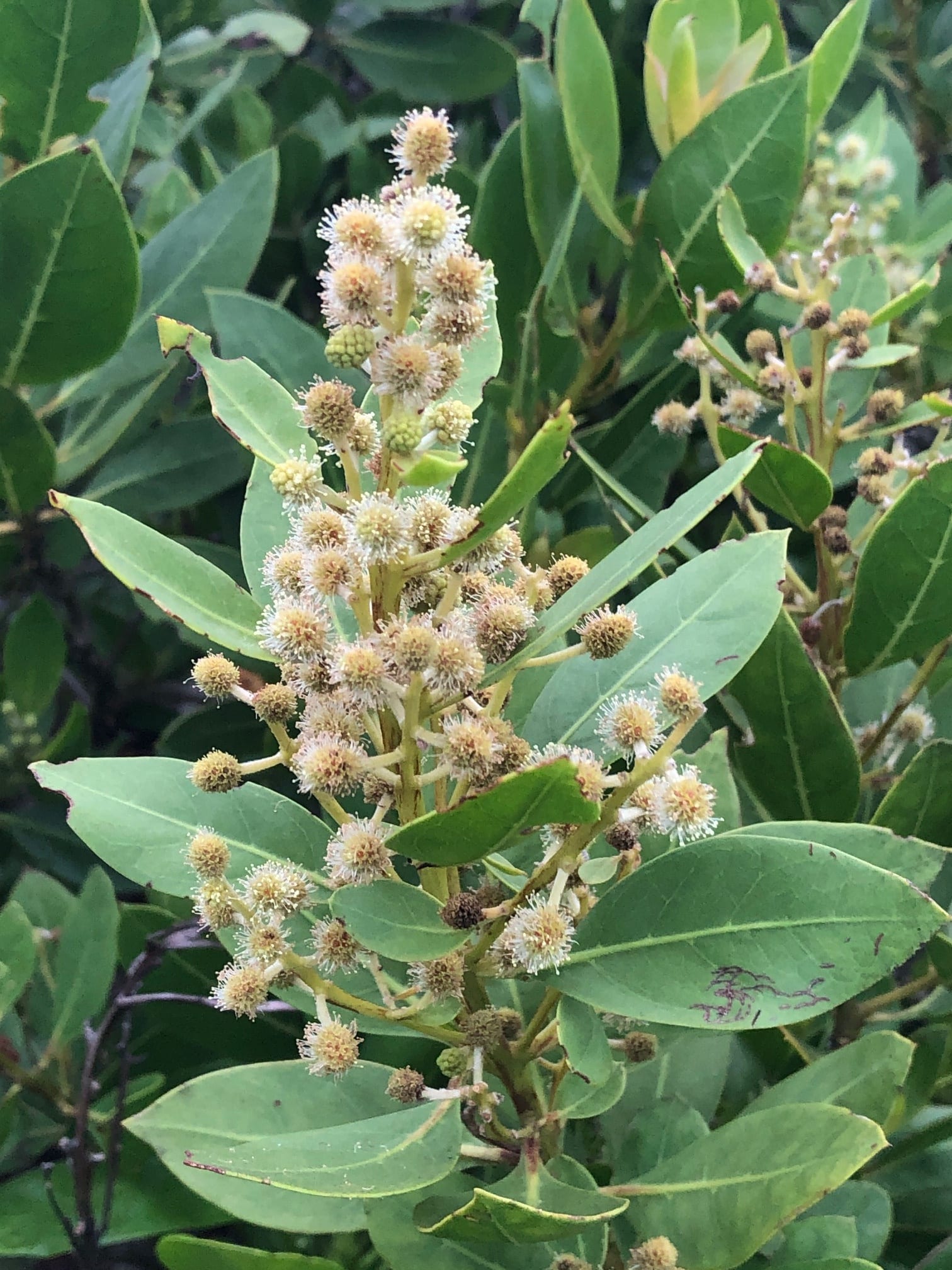
Buttonwood
This evergreen shrub is commonly referred to as a mangrove associate or unofficial fourth mangrove of Florida. While its roots prefer a higher, drier living situation than its mangrove counterparts, they provide the same soil stability that helps to prevent erosion during storm surges. Early settlers also discovered that its incredibly dense and heavy wood created a very high-quality charcoal that produces almost no smoke.
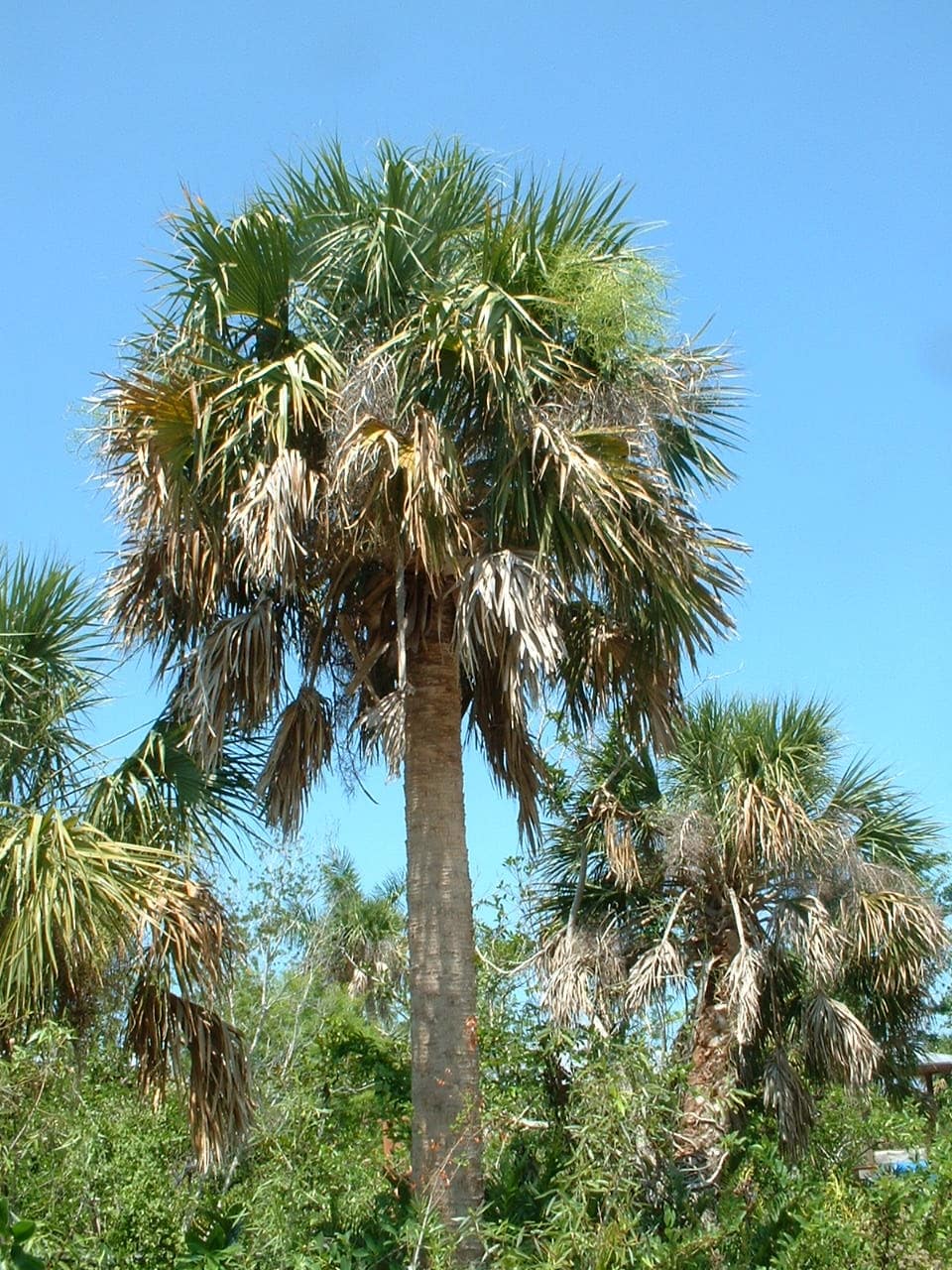
Cabbage Palm
The Cabbage Palm, also called sabal palm, is the state tree of Florida. It was once referred to as the Calusa “Swiss Army Knife” because the indigenous people of the island had so many uses for it, from thatching roofs, to creating nets and lashings from its fibers, and even as a food source when they harvested the tree’s “heart”.
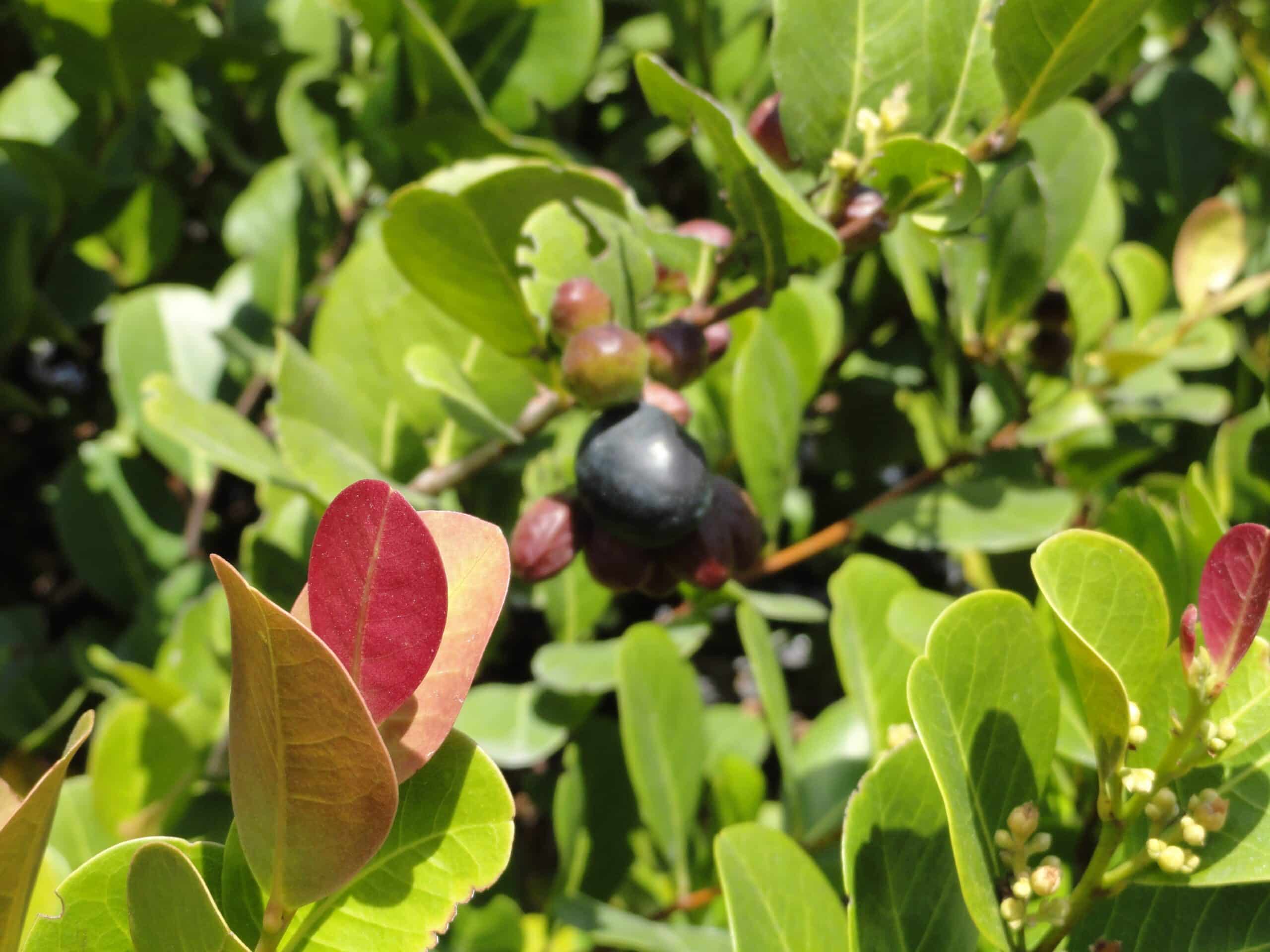
Cocoplum
This salt-tolerant powerhouse is the “living wall” of Sanibel, often used as a lush privacy hedge for beachfront resorts and homes. It produces an edible fruit with a pit that tastes remarkably like an almond, and its dense growth provides essential cover for the island’s protected gopher tortoises.
Coontie
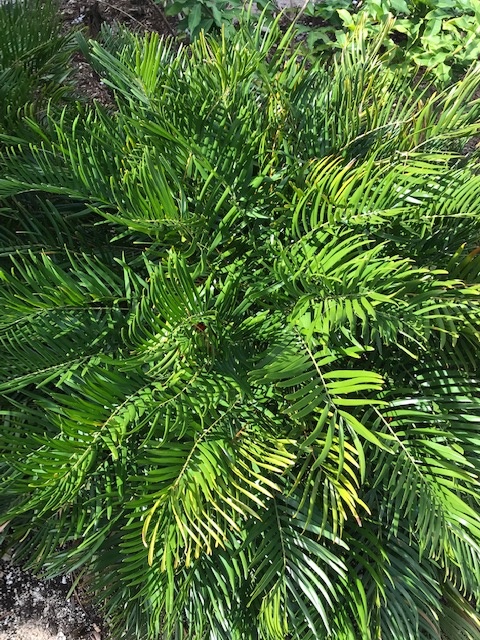
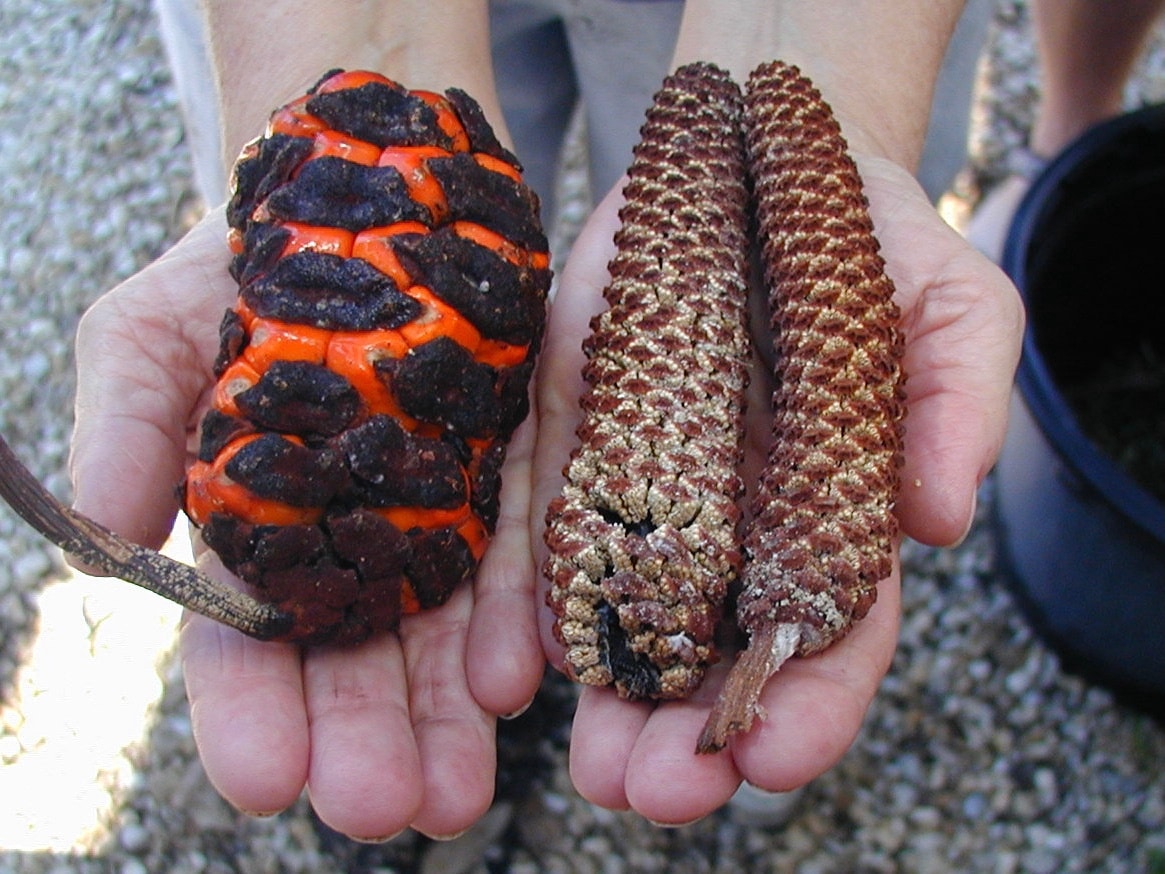
As Florida’s only native cycad, this prehistoric “living fossil” is famous on Sanibel for being the sole host plant for the rare Atala butterfly. Cycads do not produce fruits or flowers, instead, they produce cones that are distinctly female and male (seen left to right in the above image). Once nearly extinct, the Coontie’s comeback in island gardens has directly led to the revival of these stunning, iridescent-blue butterflies.
Coral Bean
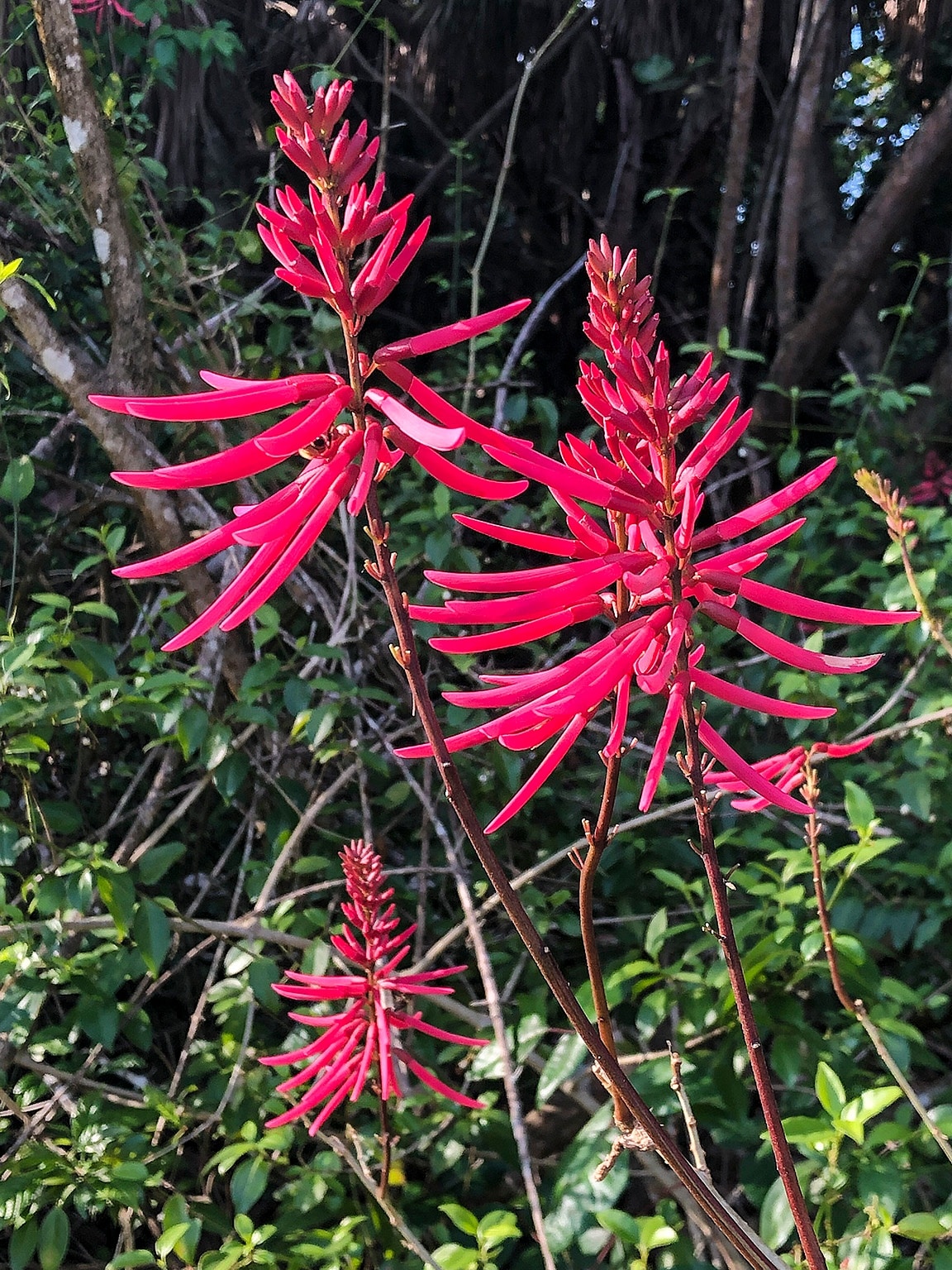
This striking shrub is a favorite for local hummingbird populations, who are drawn to its tall spikes of tubular, fire-engine-red flowers. While its bright seeds are toxic, the plant is prized in island landscaping for its ability to thrive in the sandy, nutrient-poor soil of the upland ridges.
Coral Honeysuckle
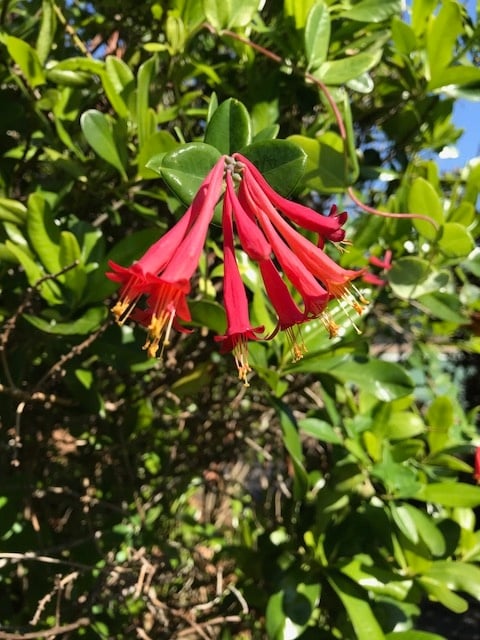
Unlike its invasive cousins, this native vine is a well-behaved climber that provides a year-round buffet of nectar for butterflies and bees. It is a popular choice for Sanibel trellises because it stays green through the winter and adds a delicate, tropical flair to coastal porches.
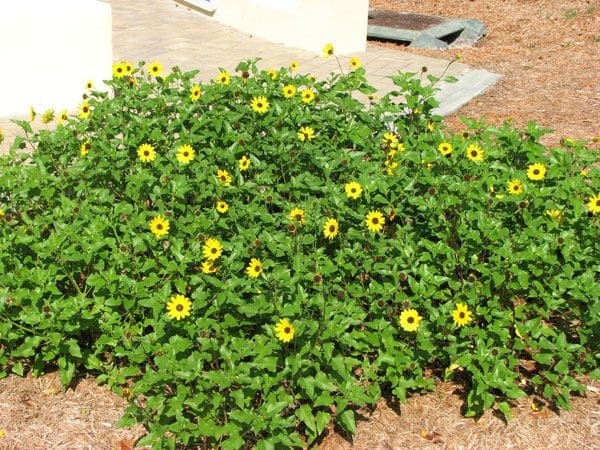
Dune Sunflower
This cheerful, low-growing wildflower is a critical “pioneer species” that helps stabilize the island’s primary sand dunes. Its deep taproot and extreme salt tolerance allow it to carpet the beach in bright yellow blooms even in the harshest Gulf conditions.
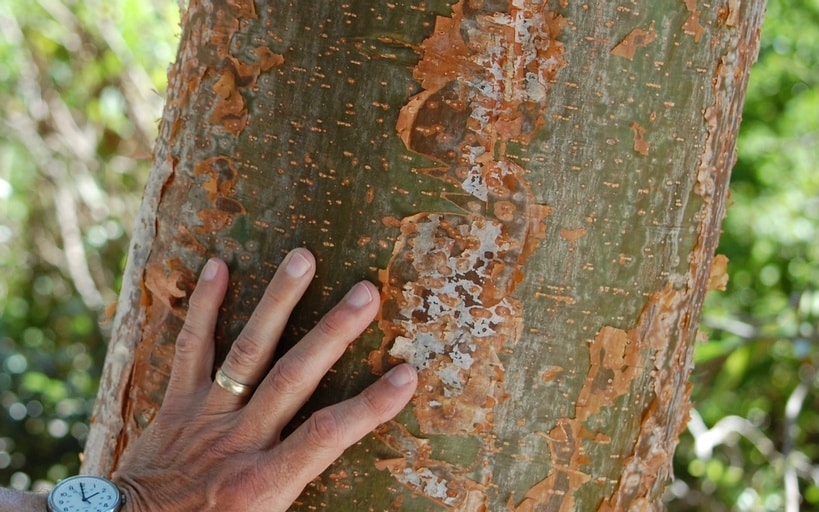
Gumbo Limbo
Affectionately known as the “Tourist Tree” because of its red, peeling bark resembling a peeling sunburn, the Gumbo Limbo is one of Sanibel’s most wind-resistant canopy trees. It is historically significant as a “living fence post,” as a branch stuck in the island’s sandy soil will often take root and grow into a new tree.
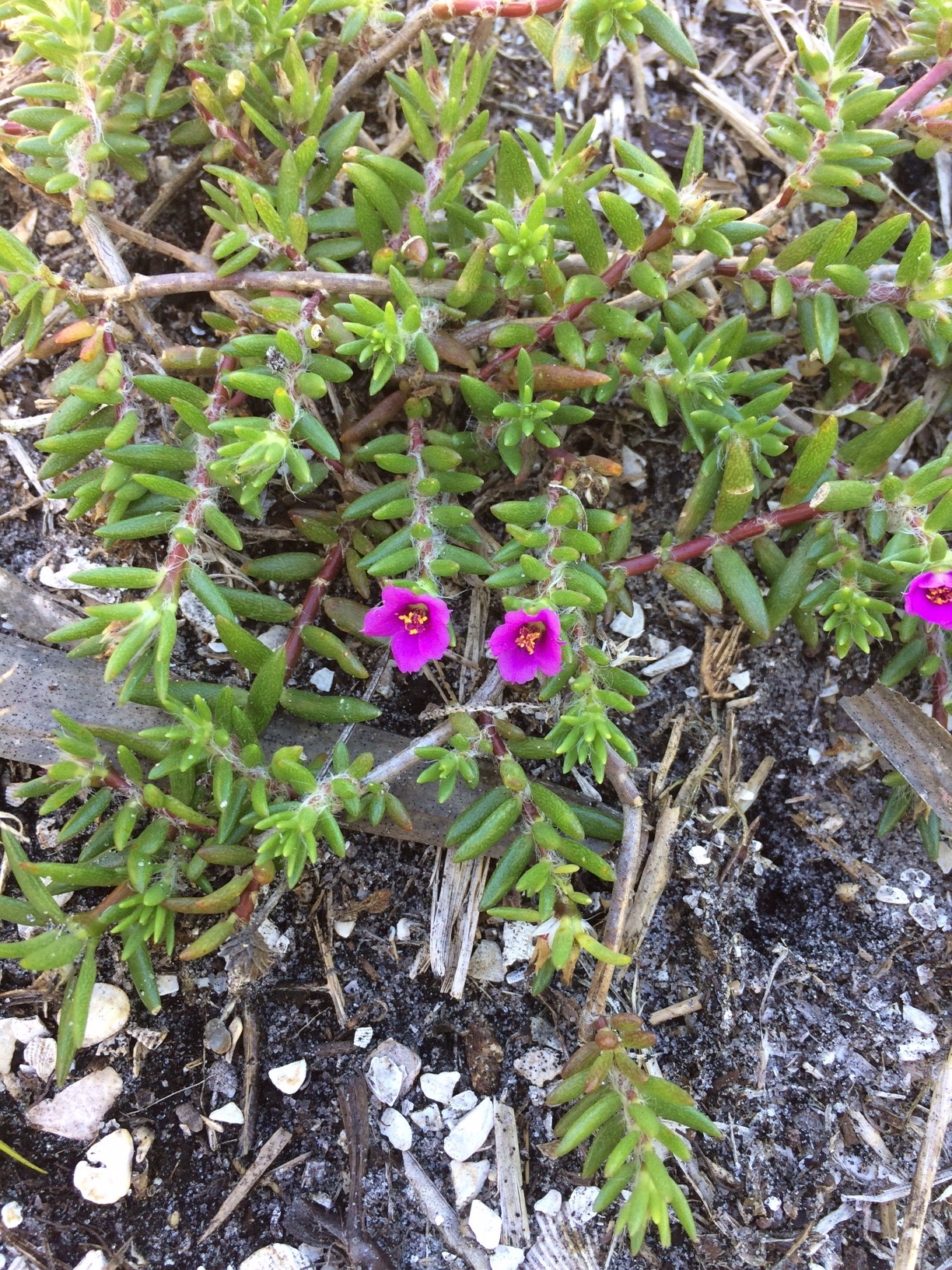
Kiss-Me-Quick
This vibrant, salt-tolerant succulent is a “set-it-and-forget-it” favorite for islanders looking for high-impact pink flowers with minimal watering. It thrives in the intense Florida sun and provides a steady source of nectar for local pollinators in the heat of mid-summer.
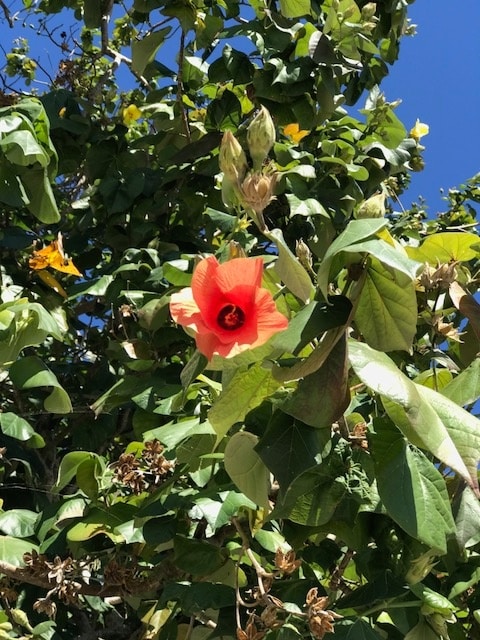
Mahoe
The Sea Mahoe is often found along the island’s brackish shorelines, recognized by its heart-shaped leaves and hibiscus-like flowers that change from yellow to red throughout the day. While it is beautiful, it is a fast grower that requires careful management to ensure it doesn’t crowd out other native coastal species.
Pond Apples
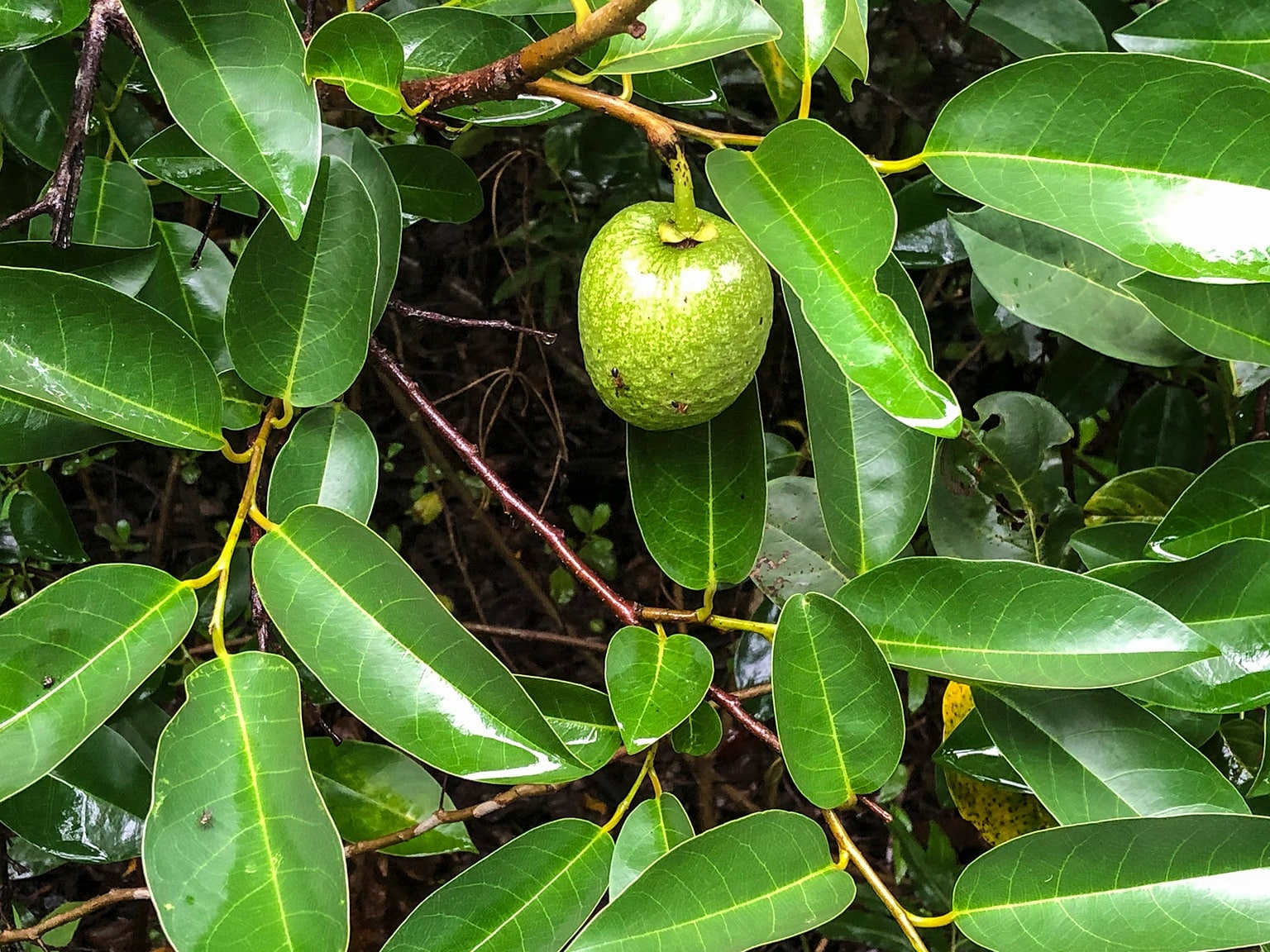
Commonly found in the freshwater marshes of the J.N. “Ding” Darling National Wildlife Refuge, these trees produce a lumpy fruit often called the “Alligator Apple.” While the fruit isn’t a human favorite, it is a vital food source for the island’s diverse bird and mammal populations.
Resurrection Fern
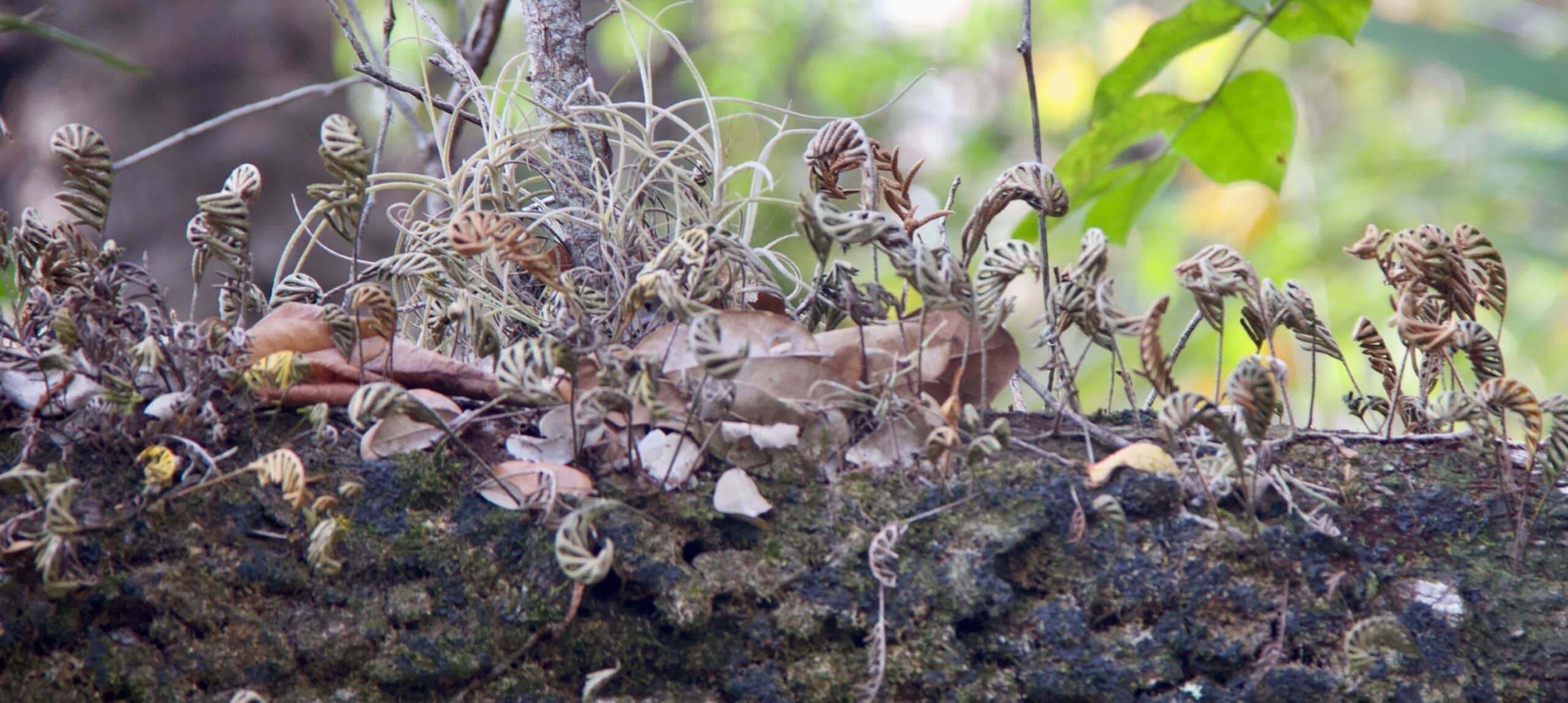
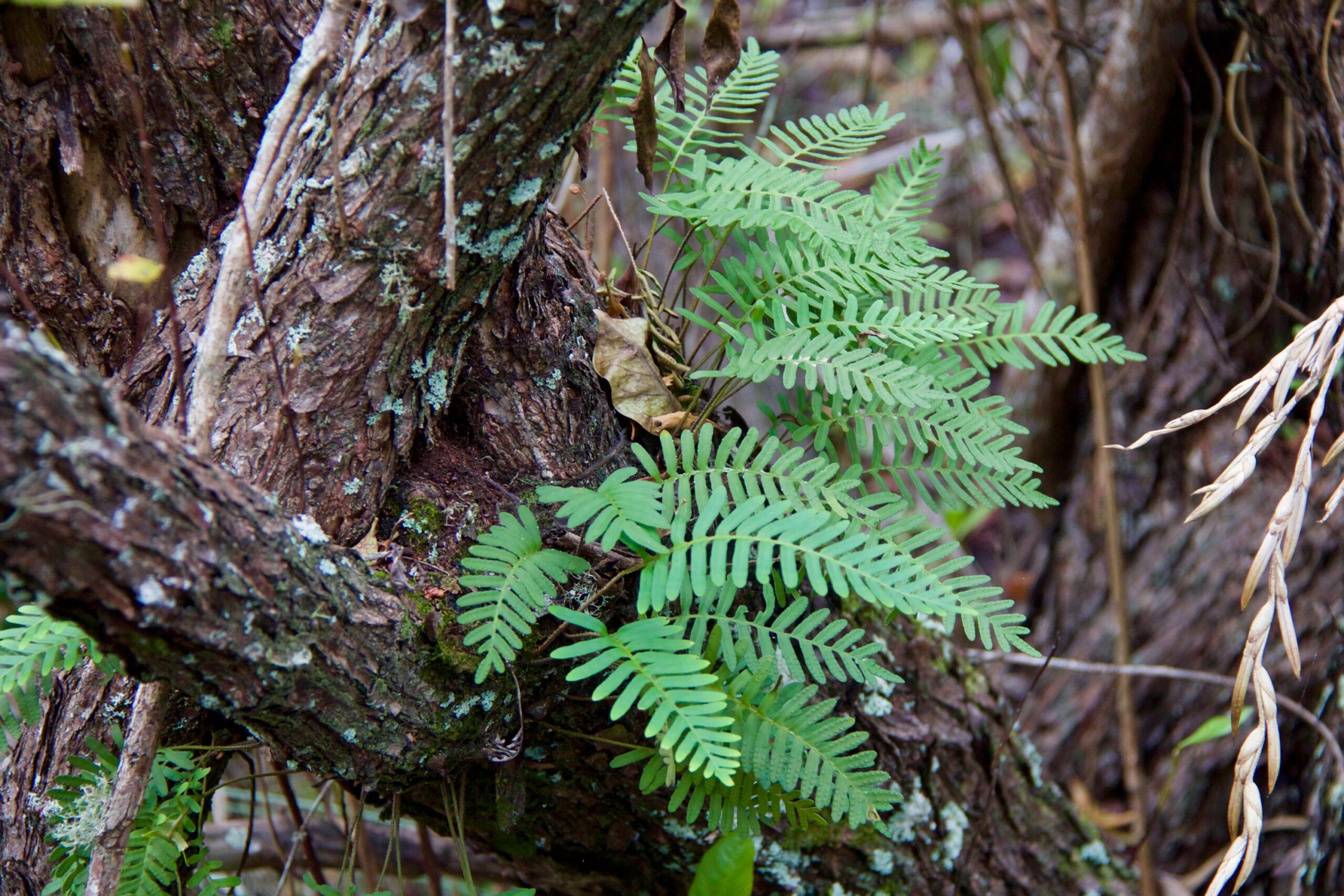
This fascinating epiphyte lives on the branches of Sanibel’s ancient trees and palms, appearing gray and dead during dry spells. After a typical afternoon island rain, it “resurrects” within hours, turning a lush, vibrant green and showcasing the incredible resilience of the local flora.
Sea Grape
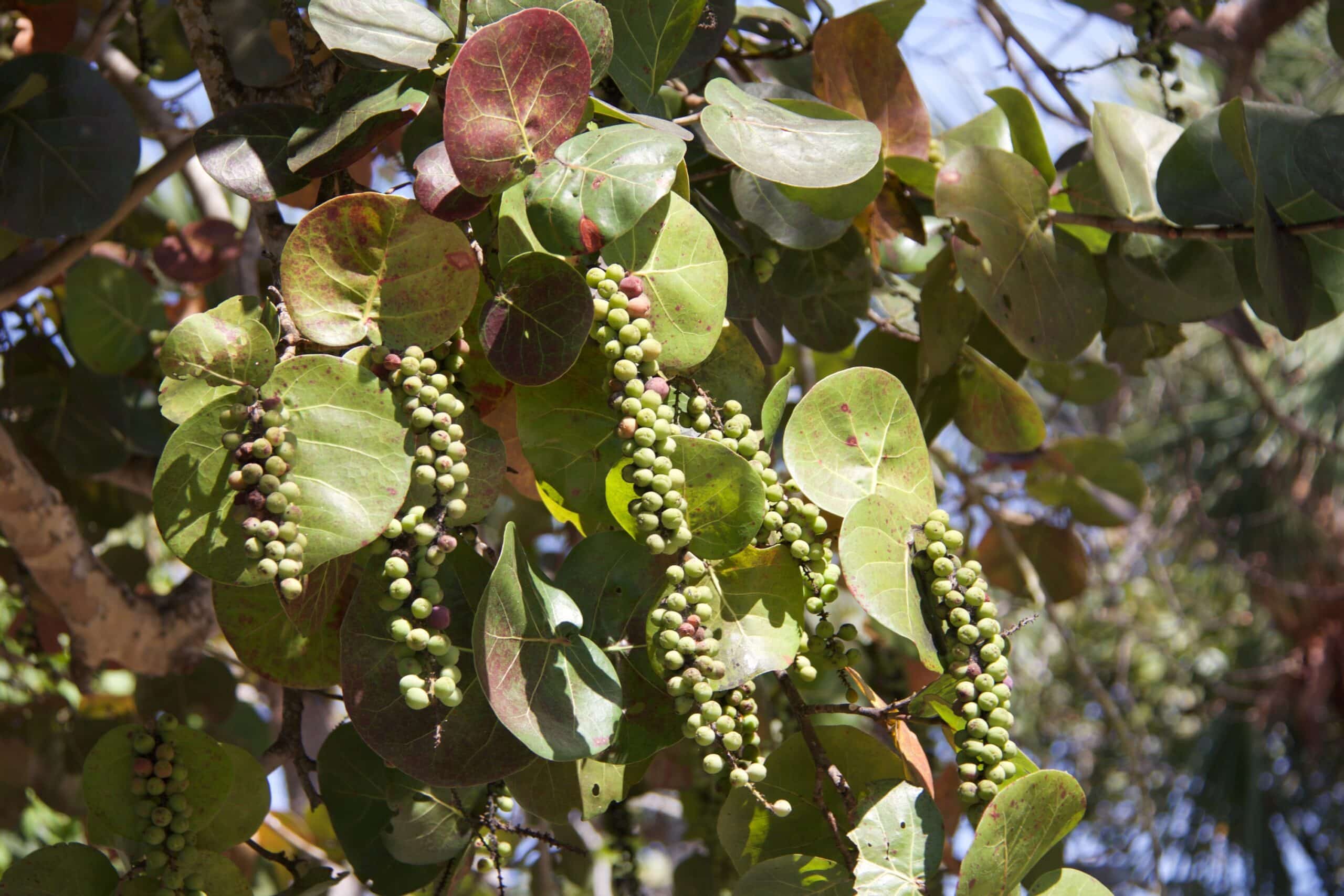
These iconic, leathery-leaved plants are legally protected on Sanibel because they shield the beach from artificial light, which is crucial for sea turtle nesting. Their purple, grape-like clusters are a favorite for making local “island jelly,” though they are often guarded fiercely by hungry raccoons.
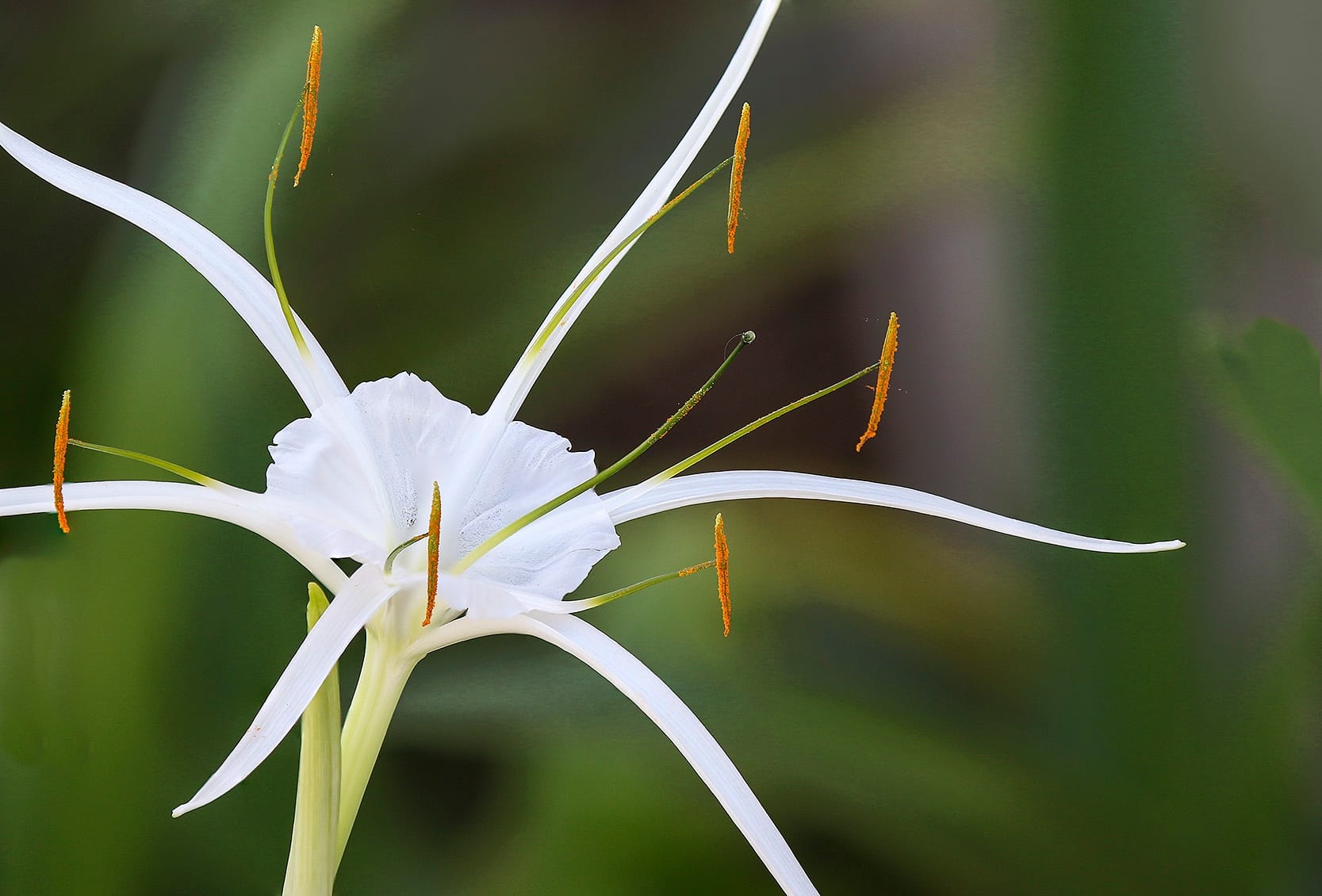
Spider Lily
With its elegant, spider-like white petals and heavy fragrance, this plant is a standout in Sanibel’s wetter, low-lying areas. It is incredibly hardy, capable of handling both temporary flooding and salt spray, making it a “Gold Standard” for native coastal gardens.
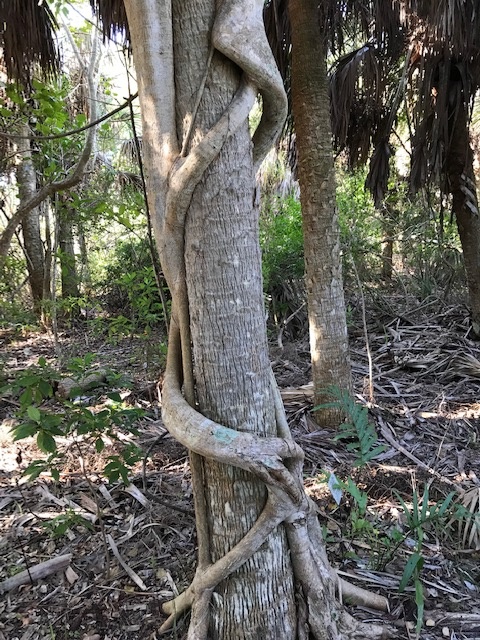
Strangler Fig
This dramatic tree begins its life as a tiny seed dropped high in the canopy of a host tree, eventually sending “air roots” down to encase the original trunk. They create the dense, jungle-like atmosphere found in the island’s interior hammocks and are a major source of figs for Sanibel’s tropical birds.
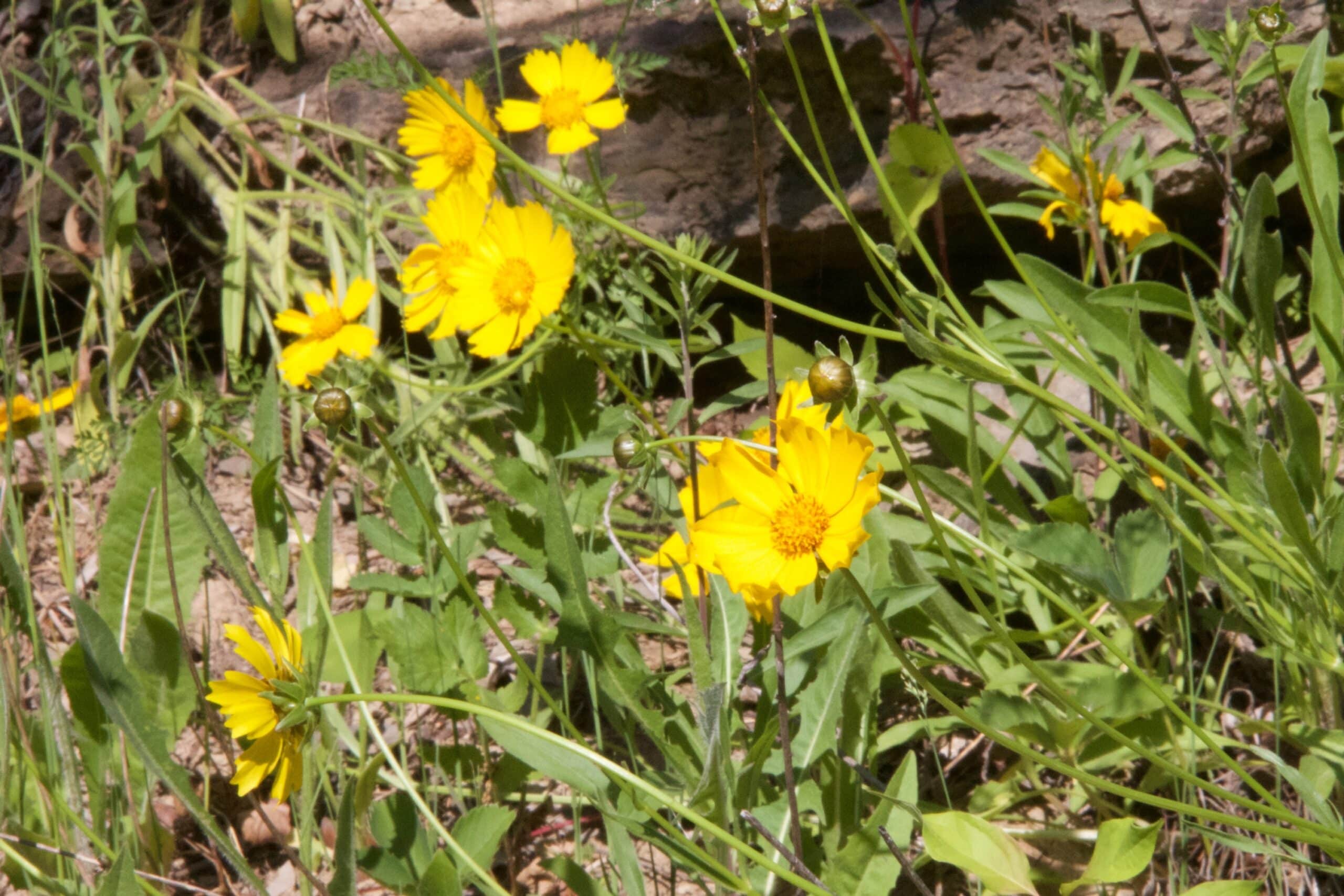
Tickseed
As Florida’s official state wildflower, the Tickseed is frequently used in Sanibel’s restoration areas to provide a high-volume burst of yellow. It is a “workhorse” for the local ecosystem, supporting an incredible variety of native bees and providing a splash of color to the island’s roadsides.
To learn even more about Sanibel’s diverse collection of plants, visit SCCF’s online plant database, which highlights these local plants, where on the island to find them, and more photo examples to help people identify them.
All photos courtesy of SCCF